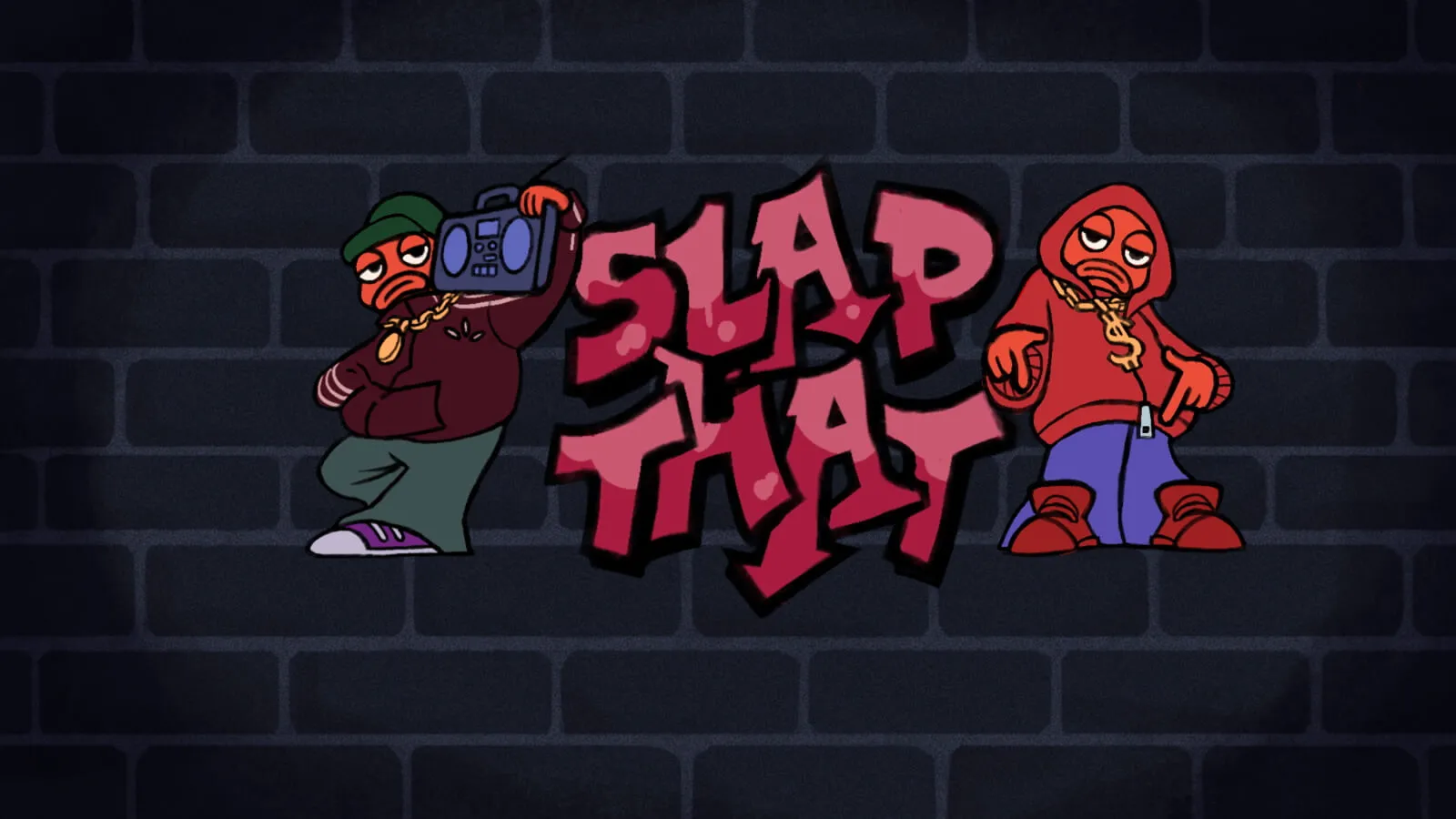
Imagine spending months building a world. Every mechanic, every level, every line of code makes perfect sense in your head. Then the day comes when someone sits down in front of your game, picks up the controller… and they don’t know what to do.
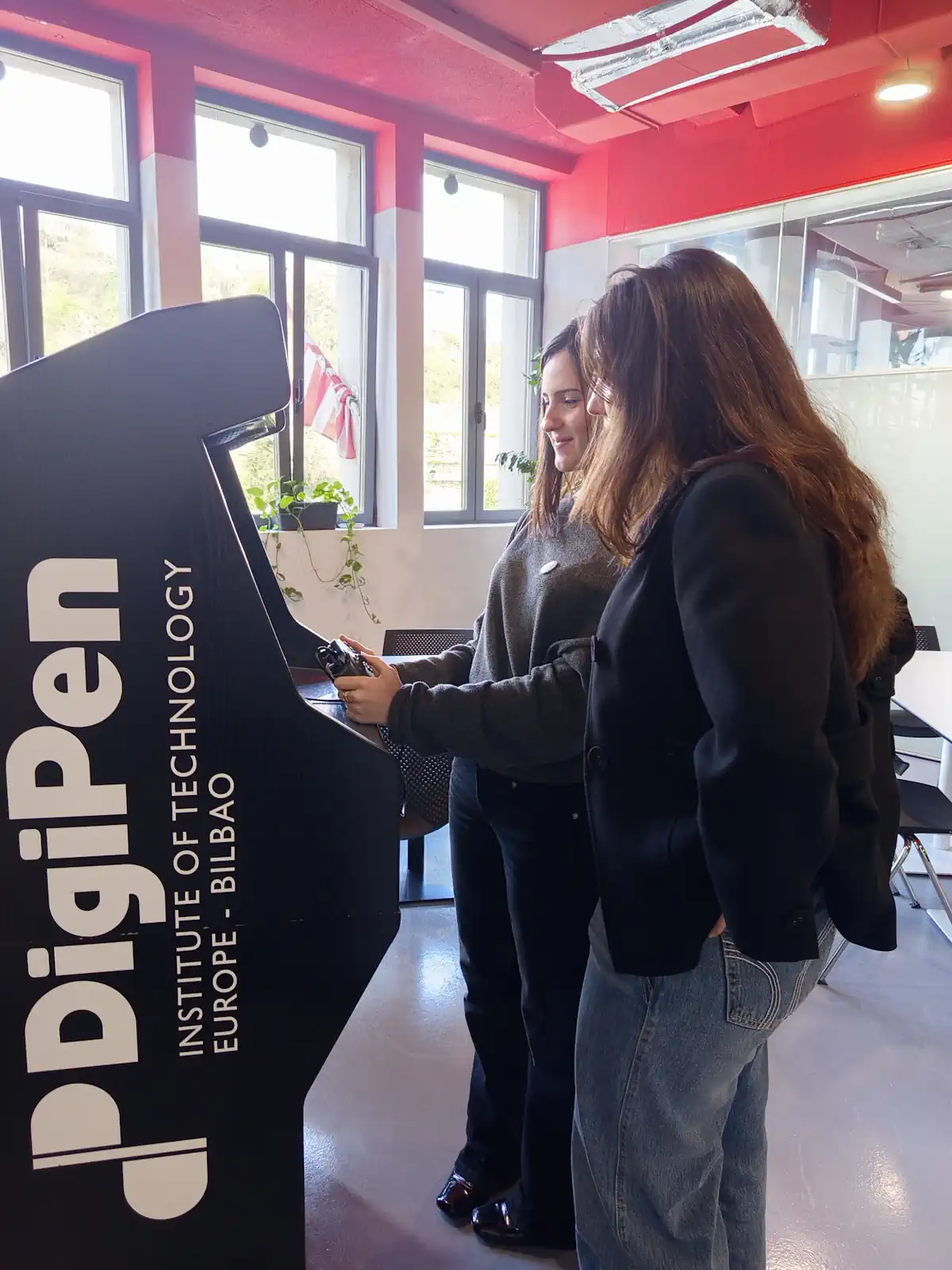
That uncomfortable, revealing, essential moment is playtesting. And at DigiPen Institute of Technology Europe-Bilbao, it is one of the most important milestones of the academic year.
The Ultimate Test
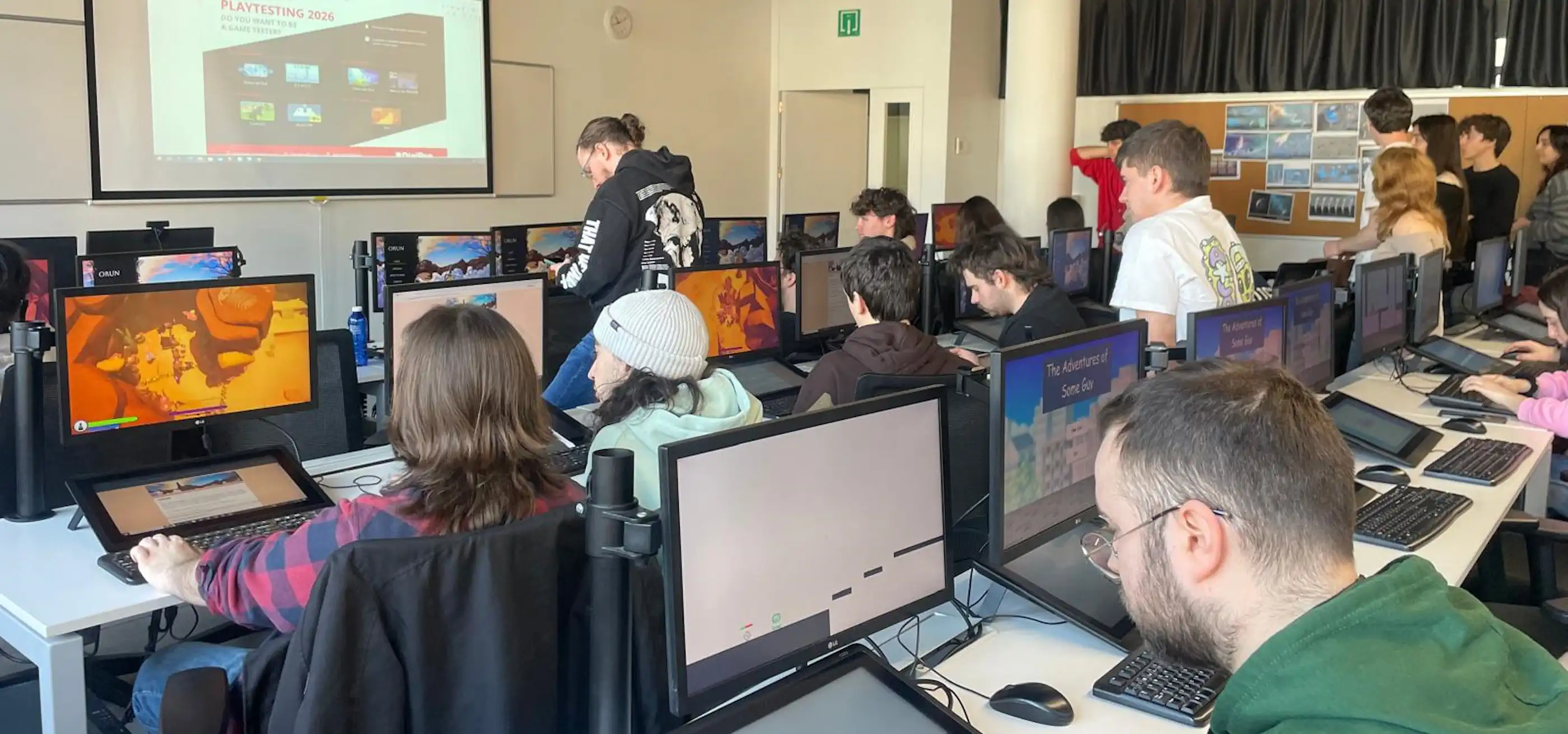
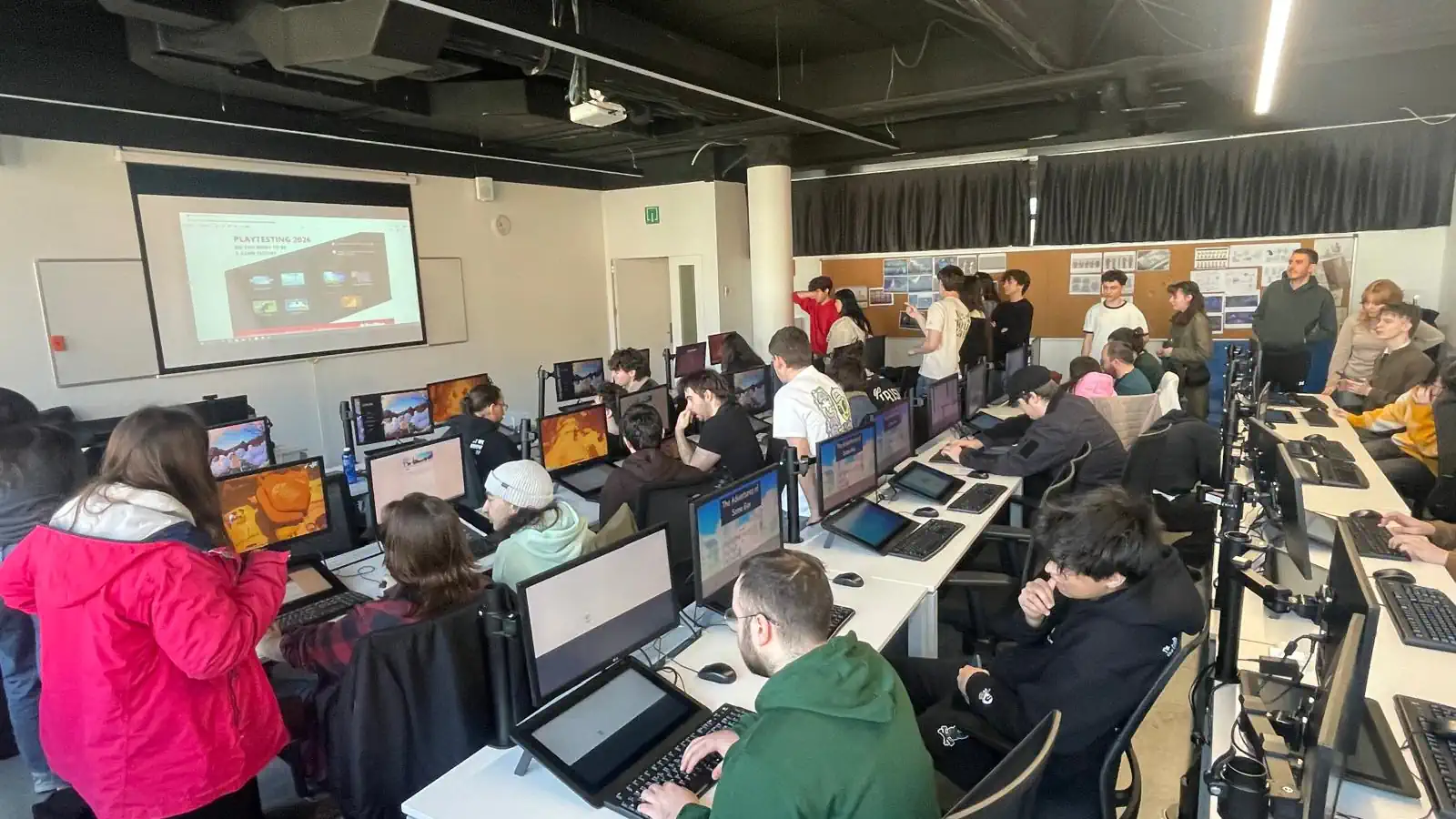
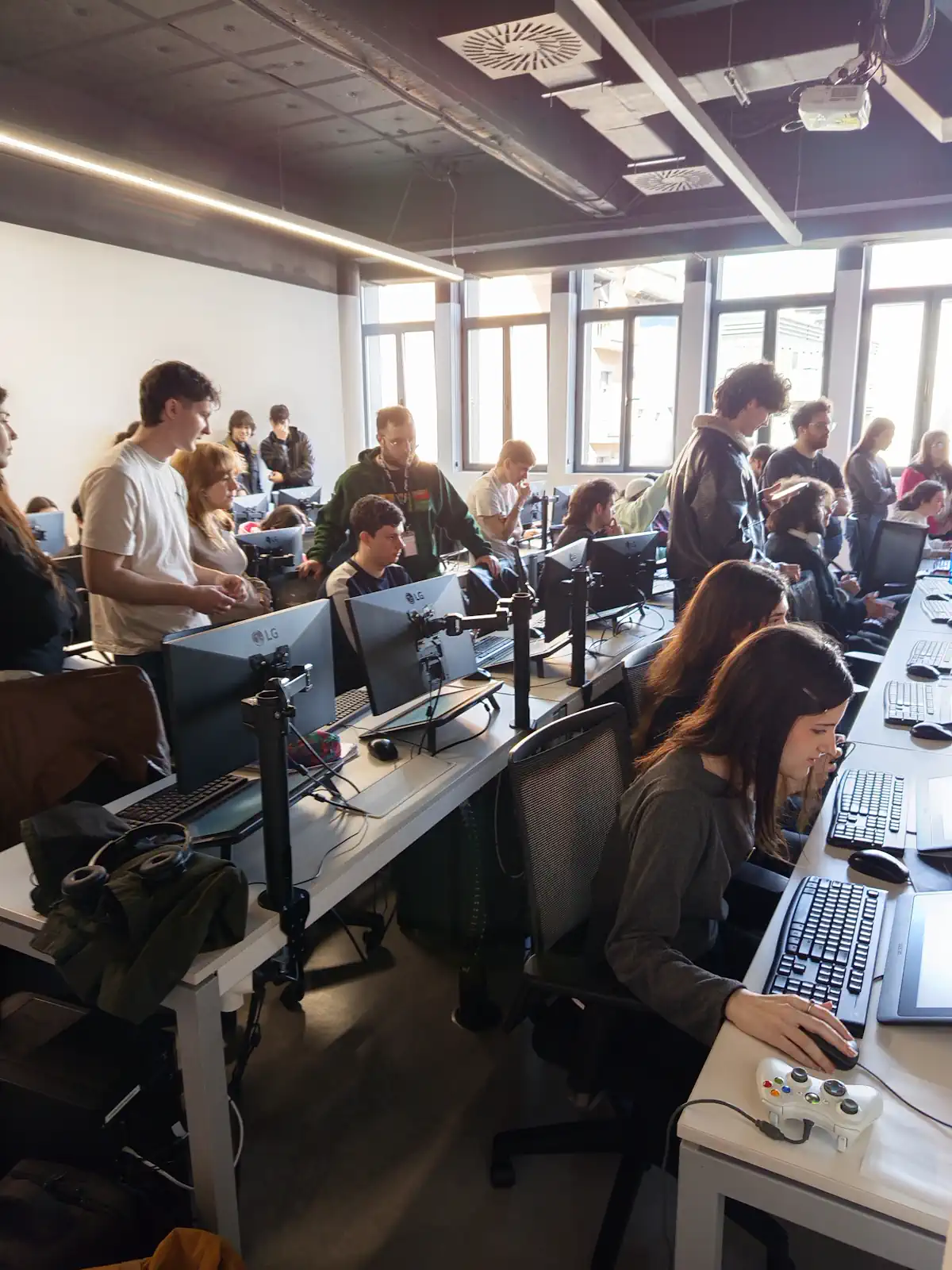
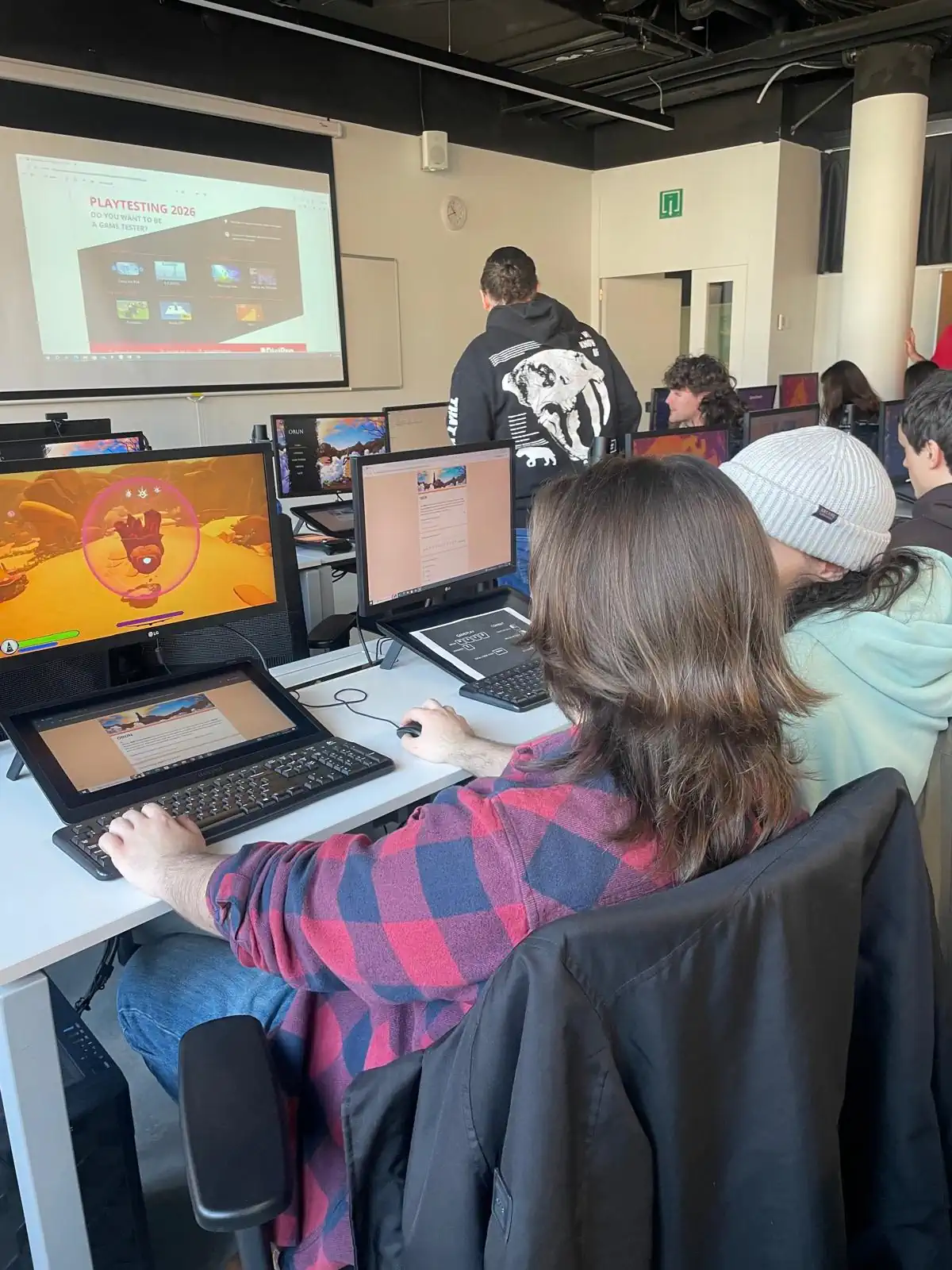
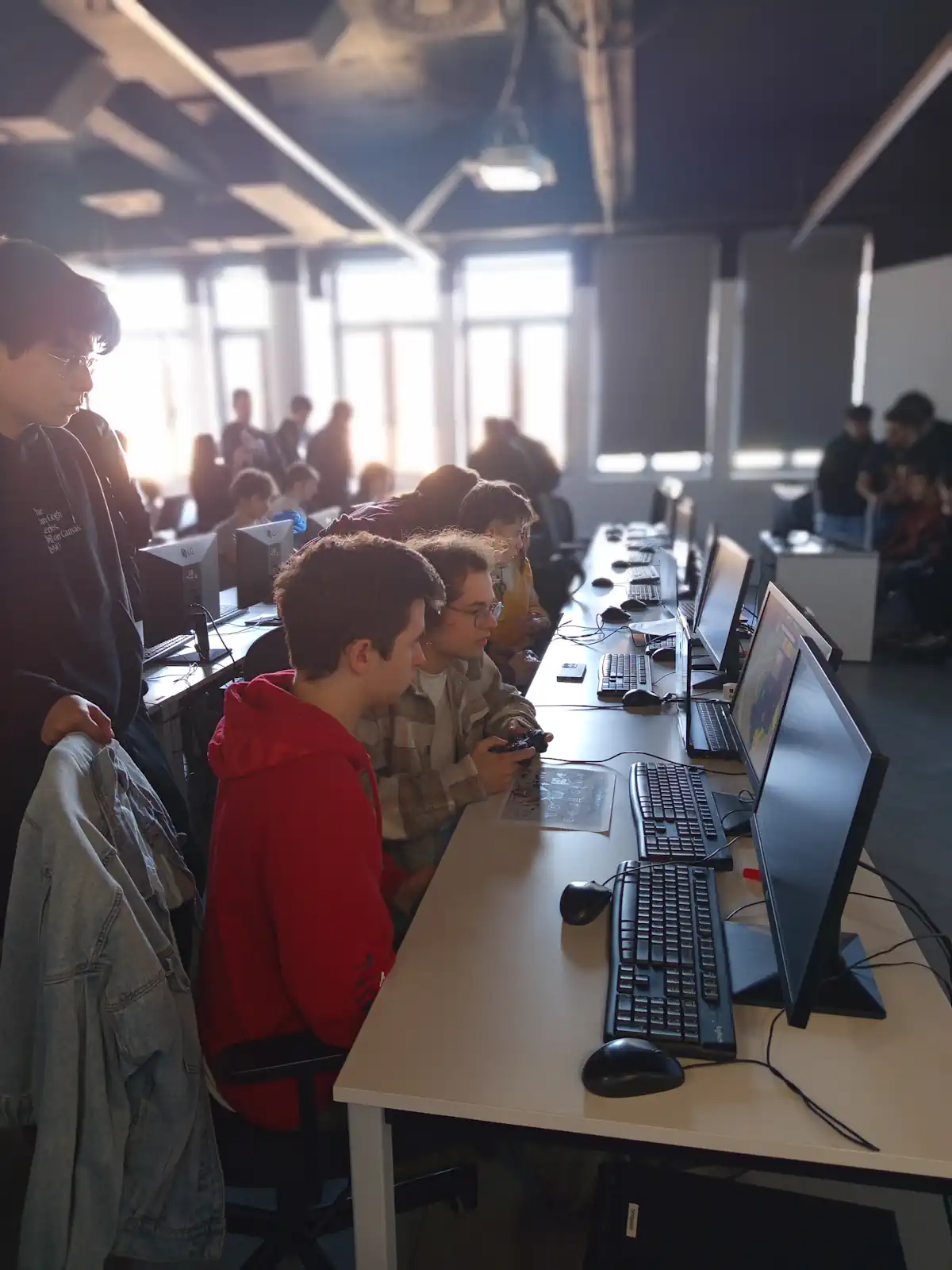
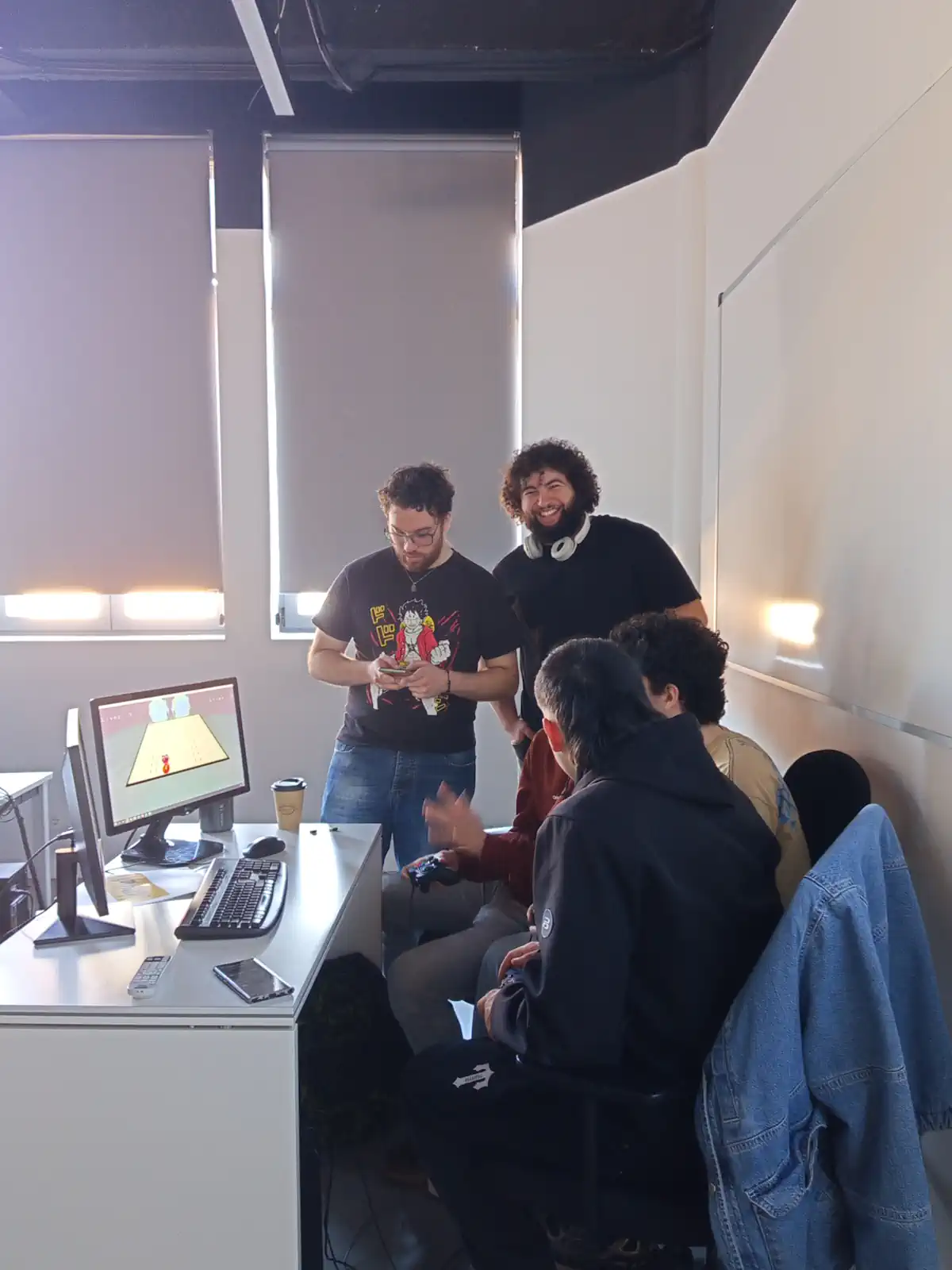
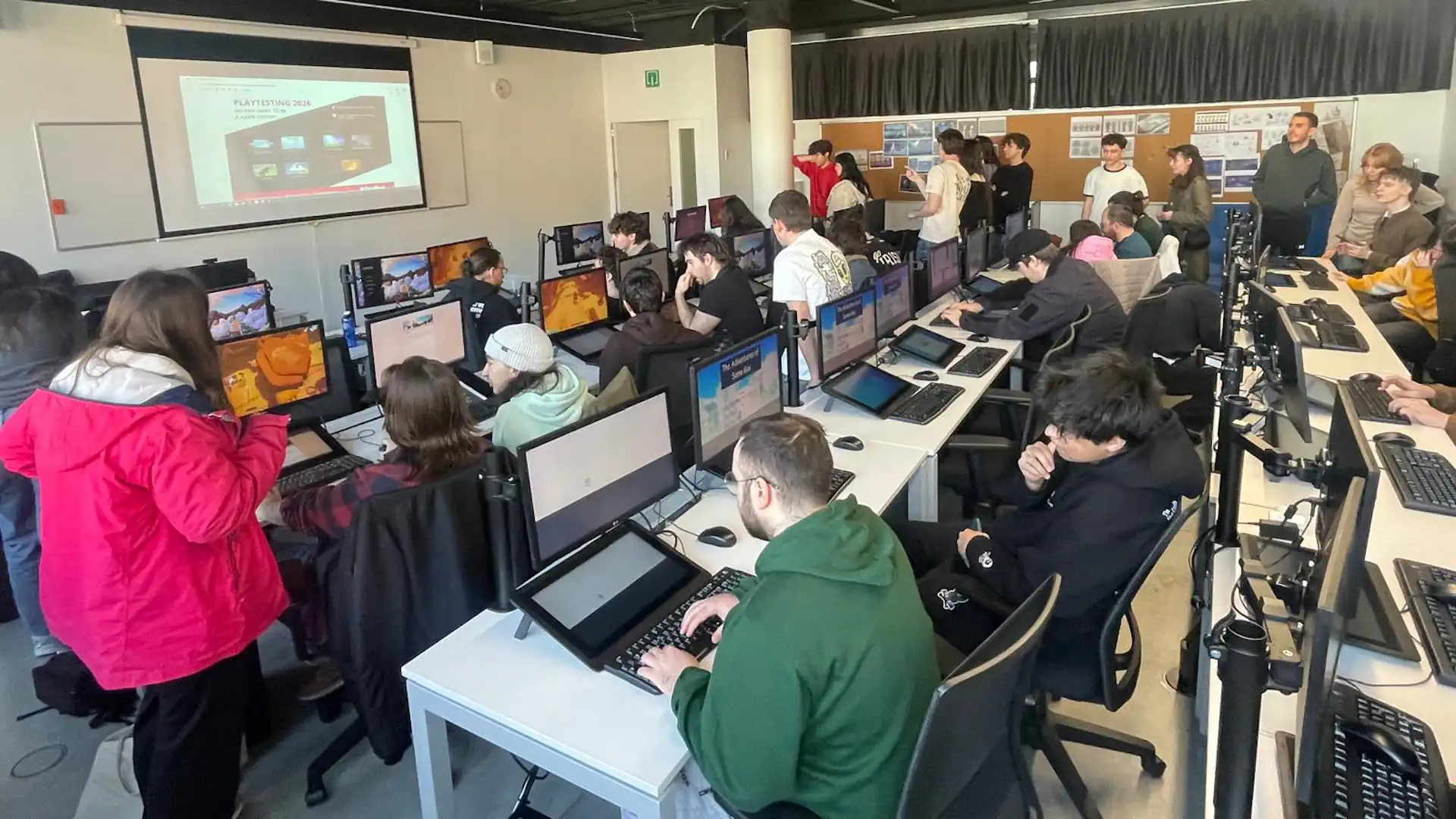
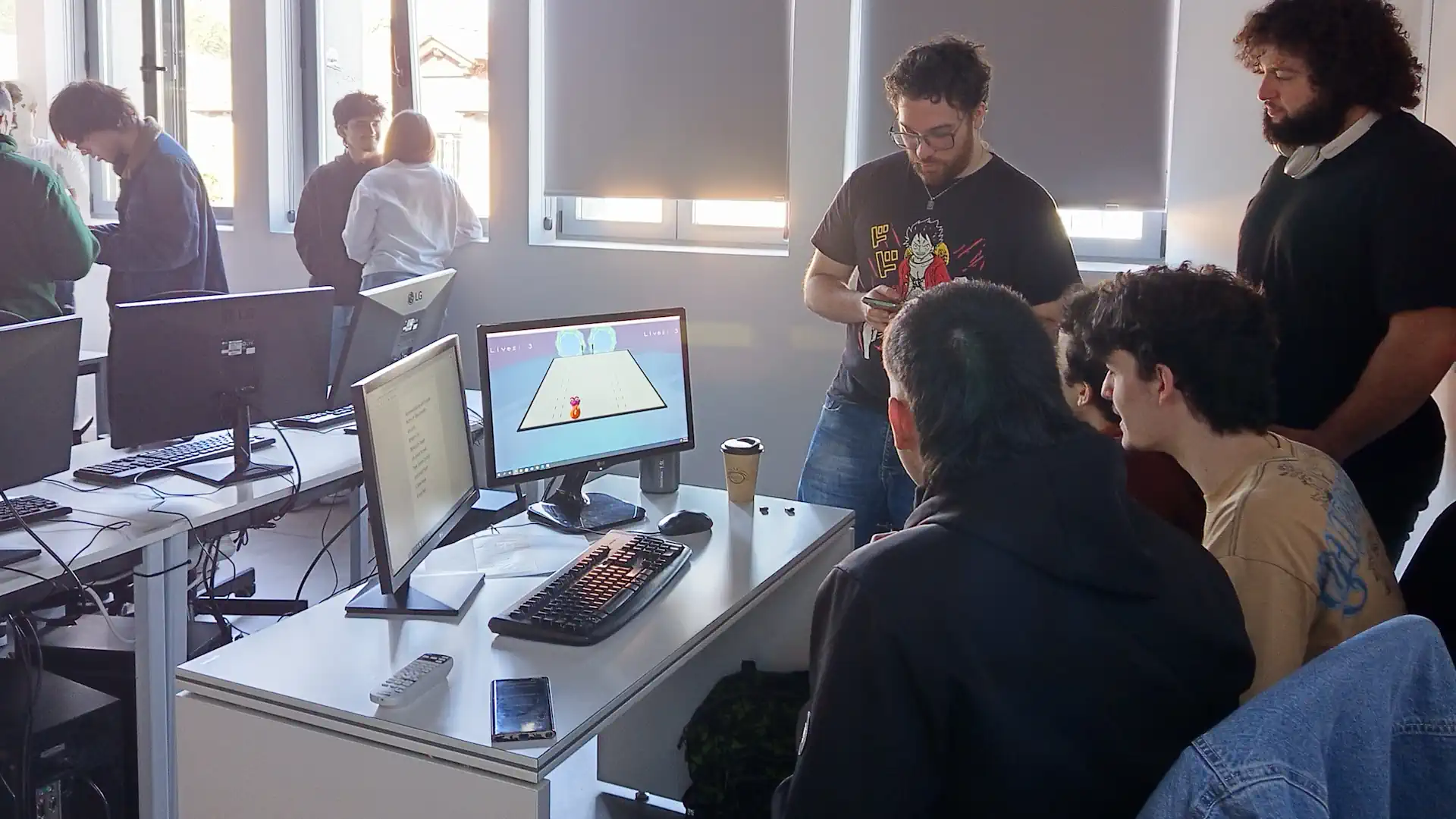
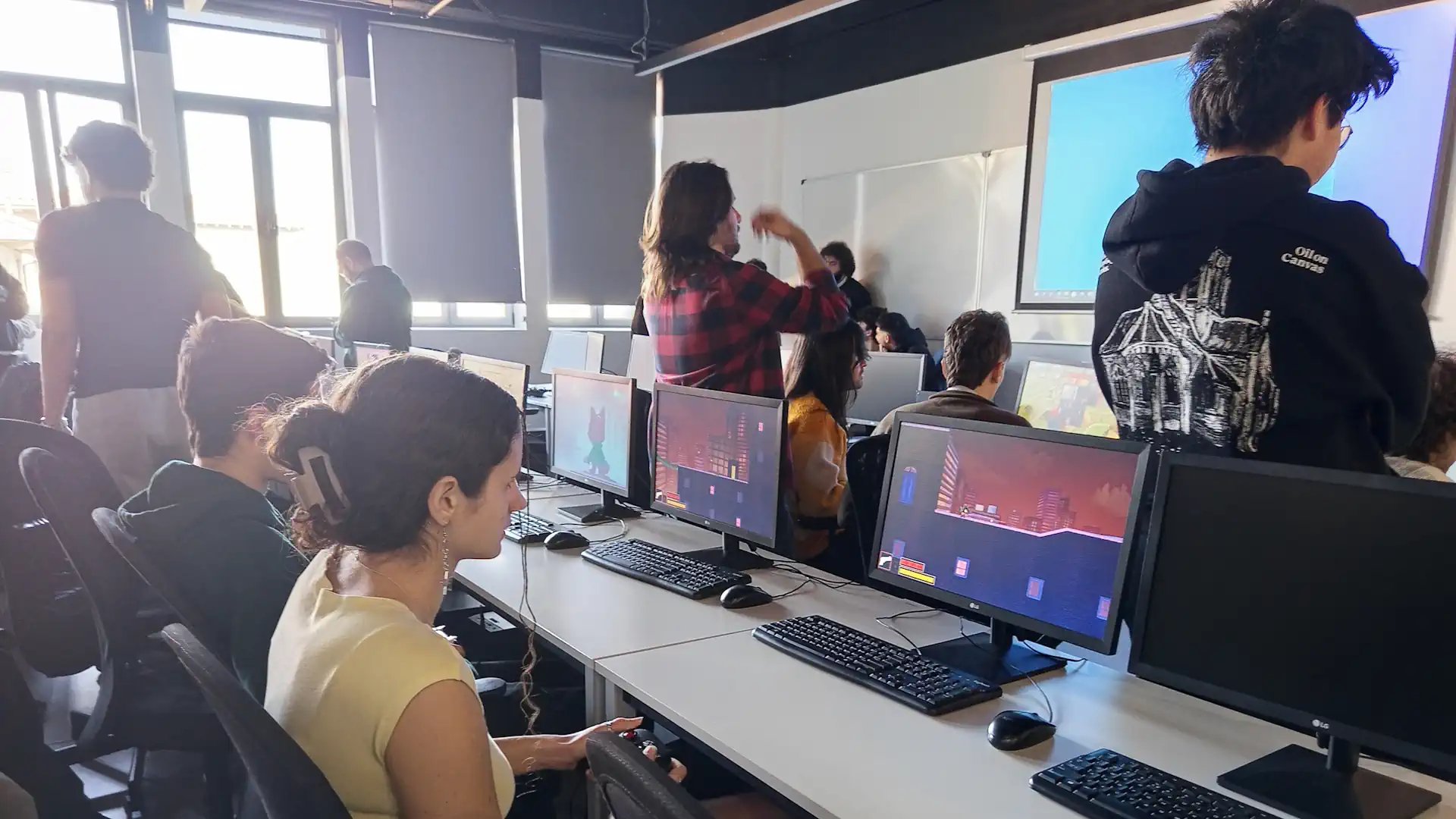
Each year, during the tenth week of the Spring Semester, our campus in Zorrotzaurre transforms. Classrooms fill with screens, controllers, and students opening their projects often for the first time to external evaluation.
“On the Friday of the tenth week of Spring, several classrooms are set up across campus with all the video games, and students test each other’s projects.” — Daniel Andia Head of the Interactive Media and Design Department
But the scrutiny does not stop there. Games are also shared with alumni and industry professionals people who have already walked the path our students aspire to follow, and who have no reason to be lenient. Industry feedback does not provide easy answers, but it does pinpoint where the real problems lie.
Four Years, Four Leaps
What makes this session particularly meaningful is what it reveals about student growth. During playtesting, projects from all academic years coexist and the differences between them tell a story.
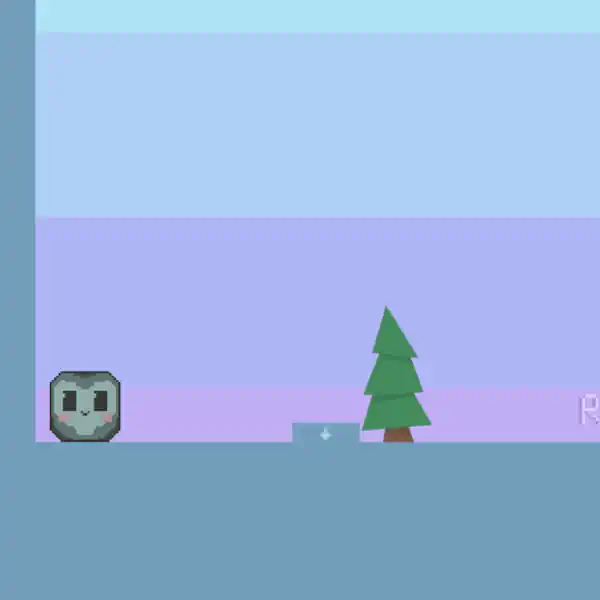
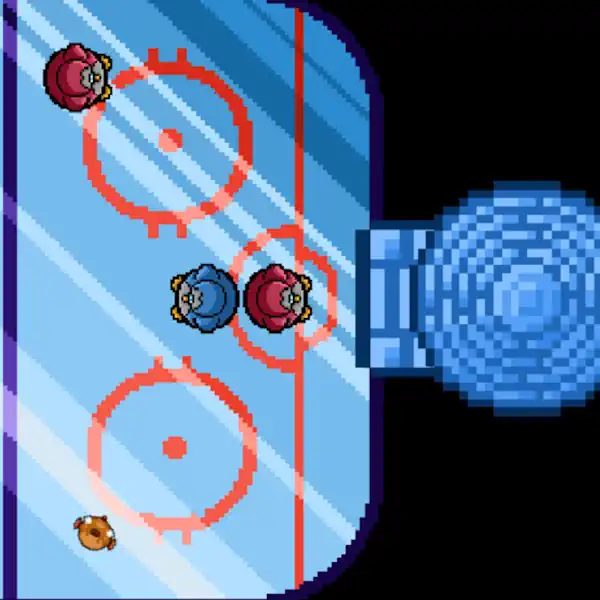
In the first year of the Bachelor of Science in Computer Science in Real-Time Interactive Simulation (BS in RTIS), students present their first projects using a game engine, programming in C/C++ under faculty supervision. Titles such as E.C.H.O.S. or Crazy Ice Rink reflect these early steps.
E.C.H.O.S
Crazy Ice Rink
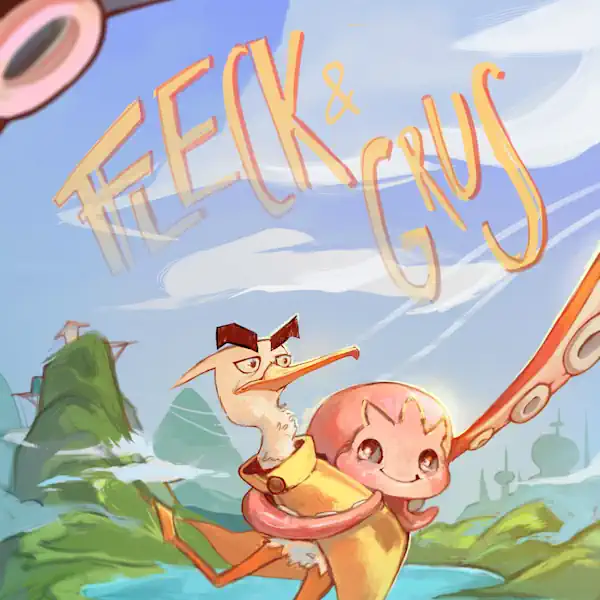
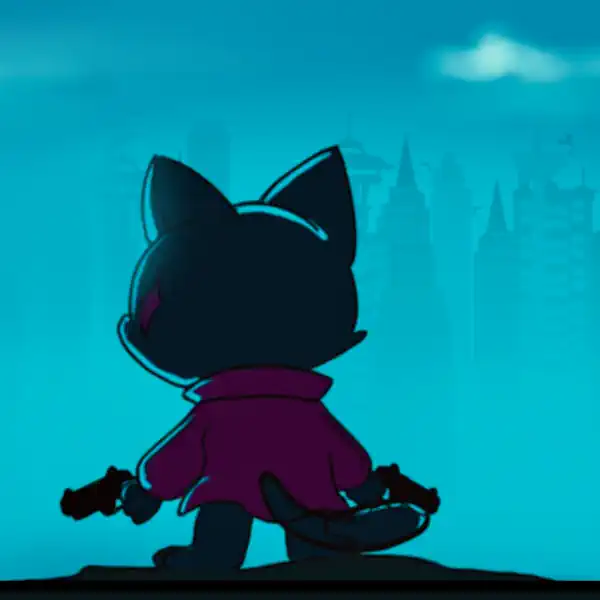
By the second year, something new happens: collaboration. RTIS students work alongside peers from the Bachelor of Fine Arts in Digital Art and Animation (BFA). The result is games like Fleck and Grus or PAW on the TRIGGER, developed in C++ using proprietary engines, combining programming with original 2D art, animation, and level design. Code is no longer isolated it evolves through collaboration with art.
Fleck Grus
Paw On The Trigger
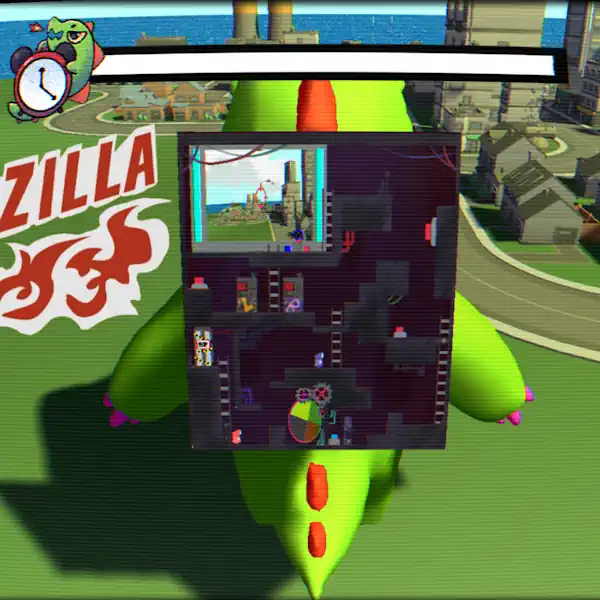
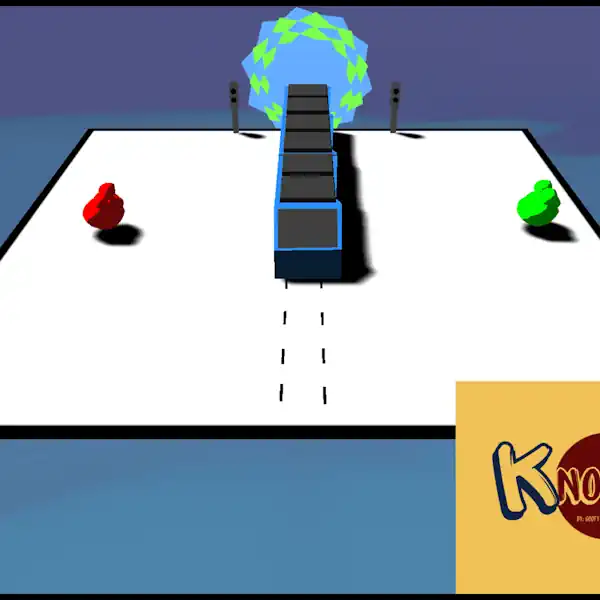
In the third year, the leap is not only technical, but conceptual. Students begin developing 3D games in C++, building not only the game itself but also the underlying technology from scratch. Projects like Dumbzilla and Knock Off! reflect this dual challenge: creating both the game and the tools required to make it.
Dumbzilla
Knock Off
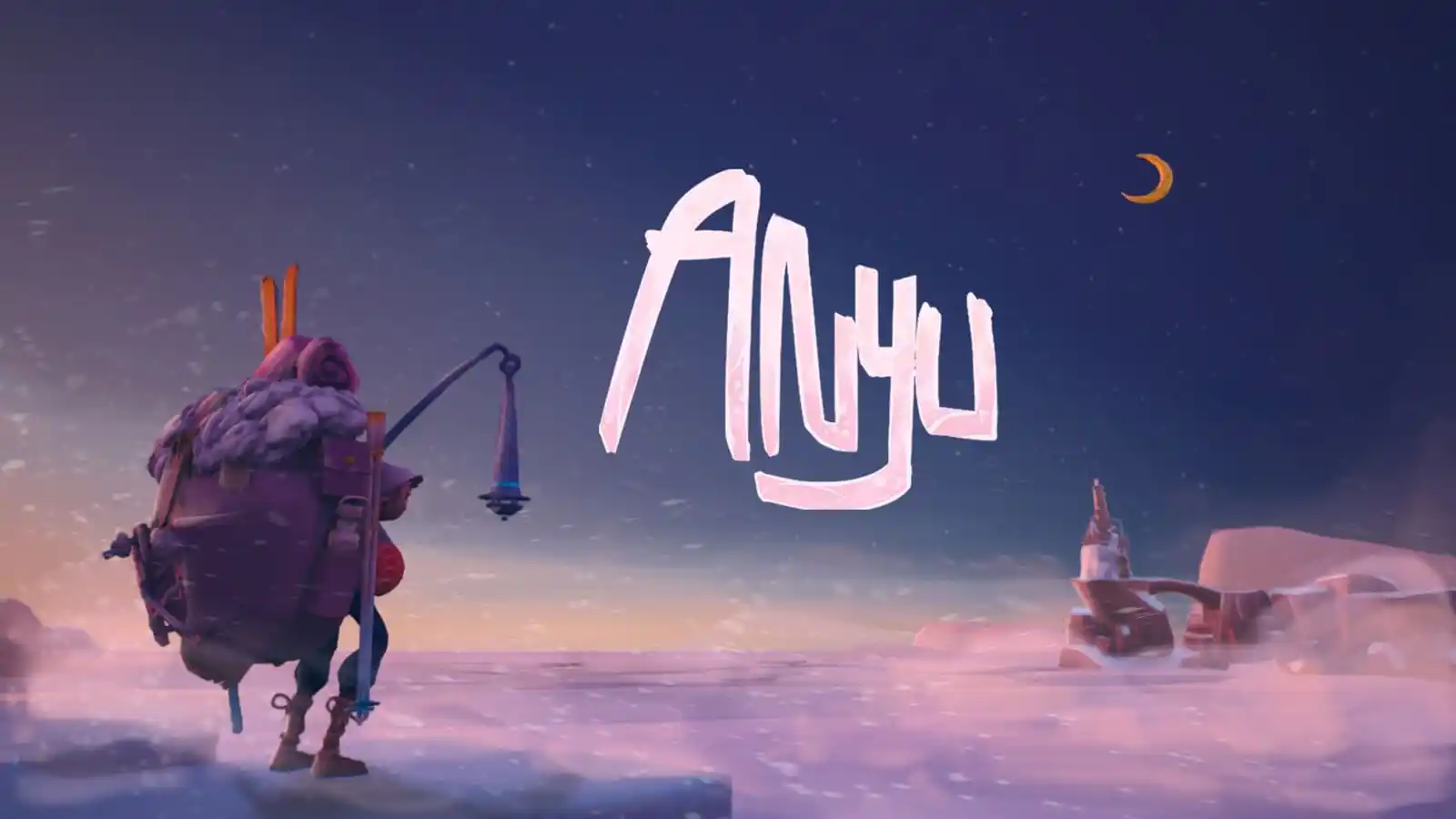
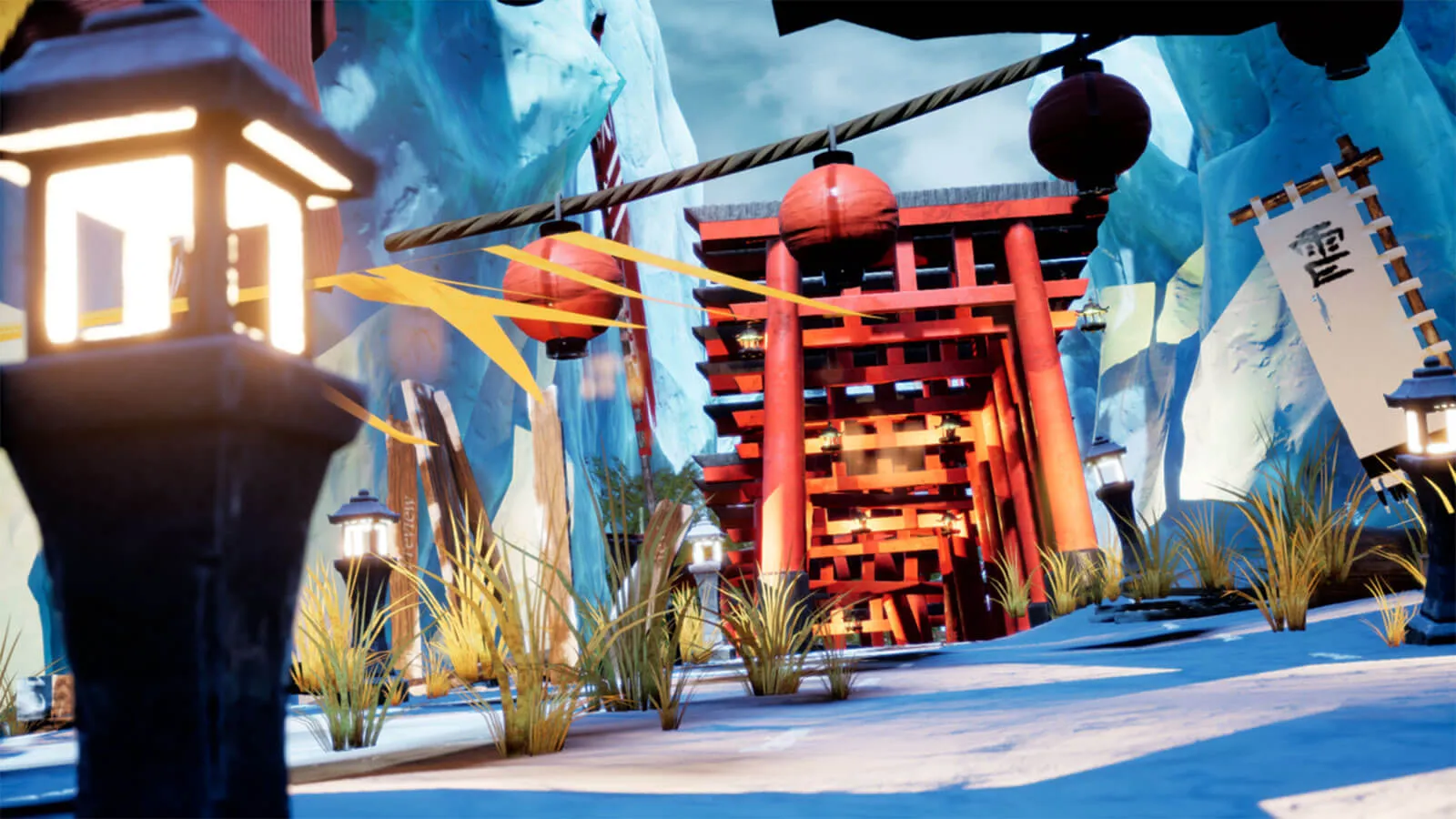
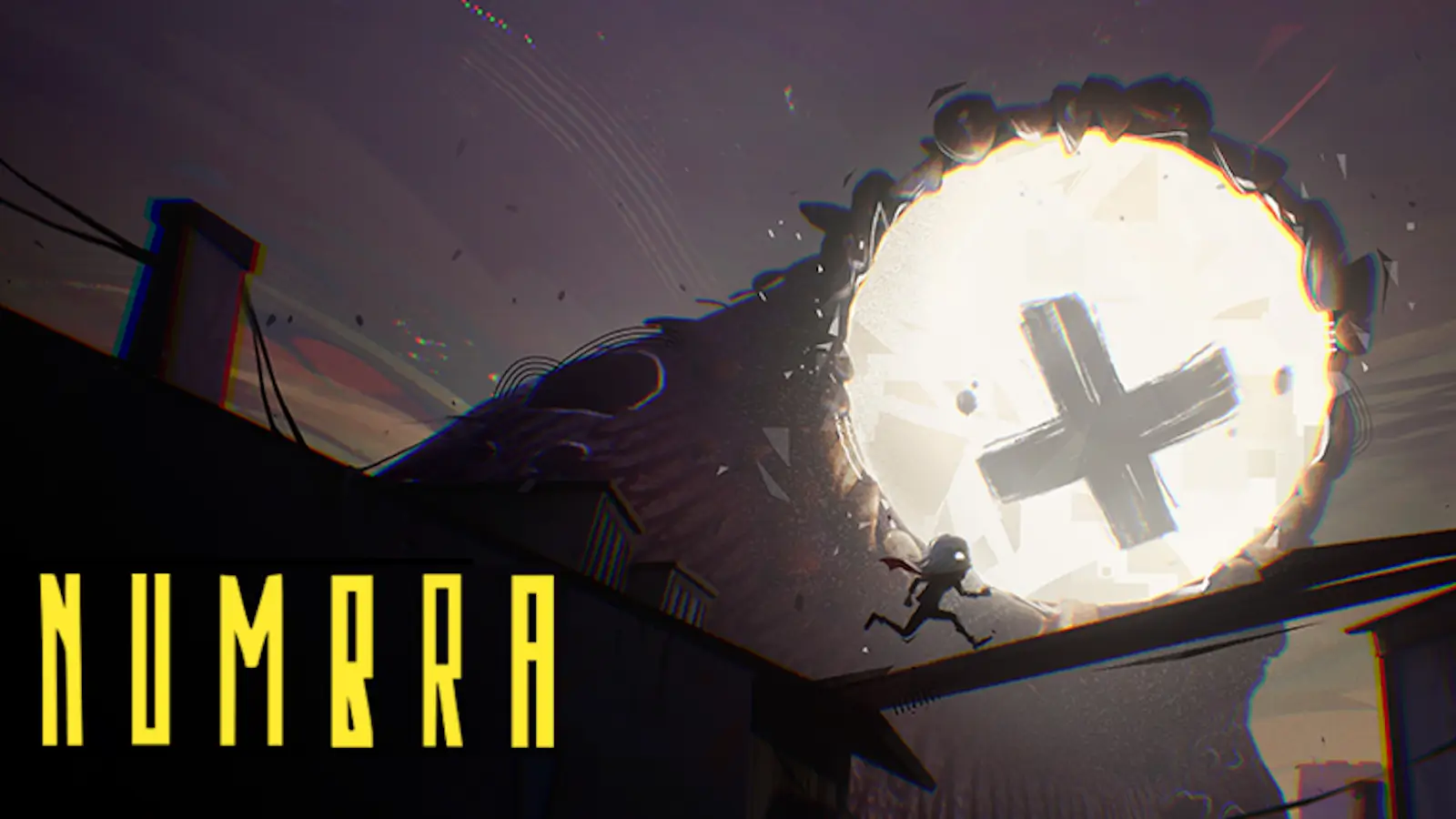
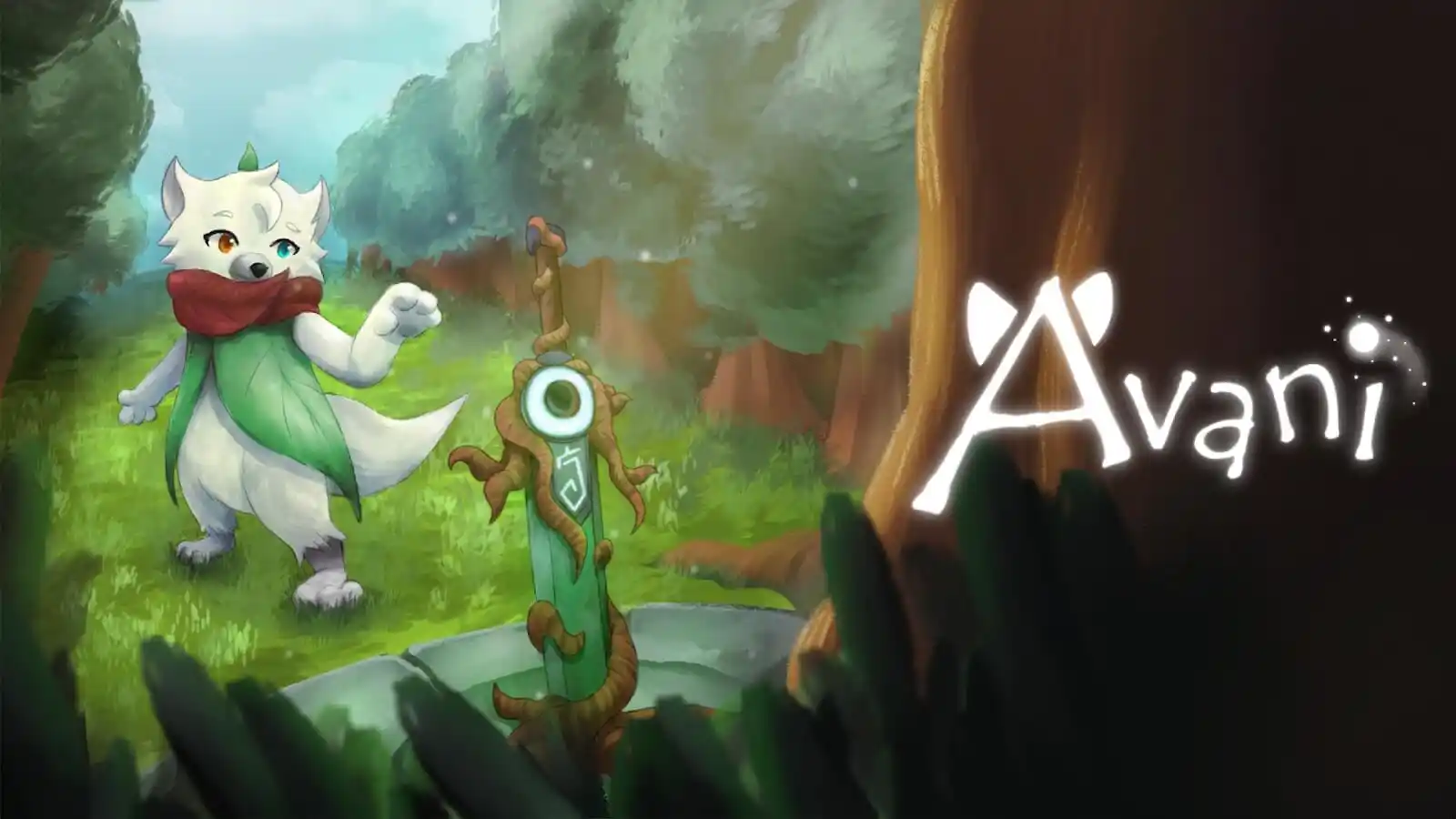
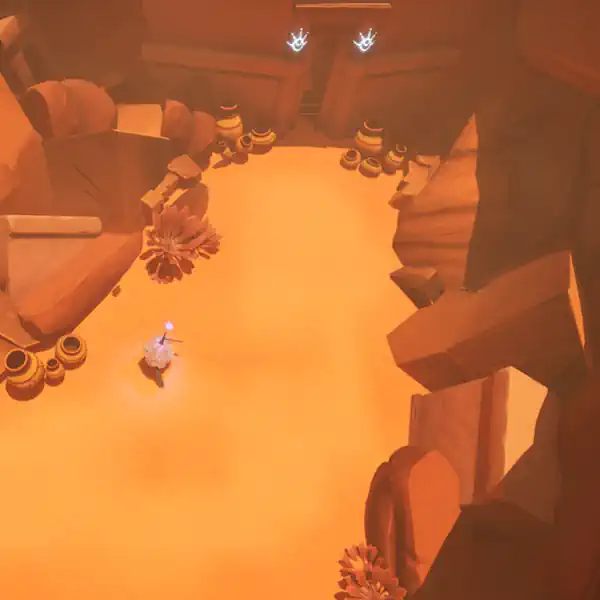
By the fourth year, complexity reaches its peak. Production scales across systems, assets, and simultaneous decision-making. Projects such as Orun, developed by multidisciplinary teams using Unreal Engine 5, showcase this level of demand. At the same time, programming-only teams tackle equally ambitious challenges in genres such as 3D adventure, puzzle-solving, and exploration.
Orun

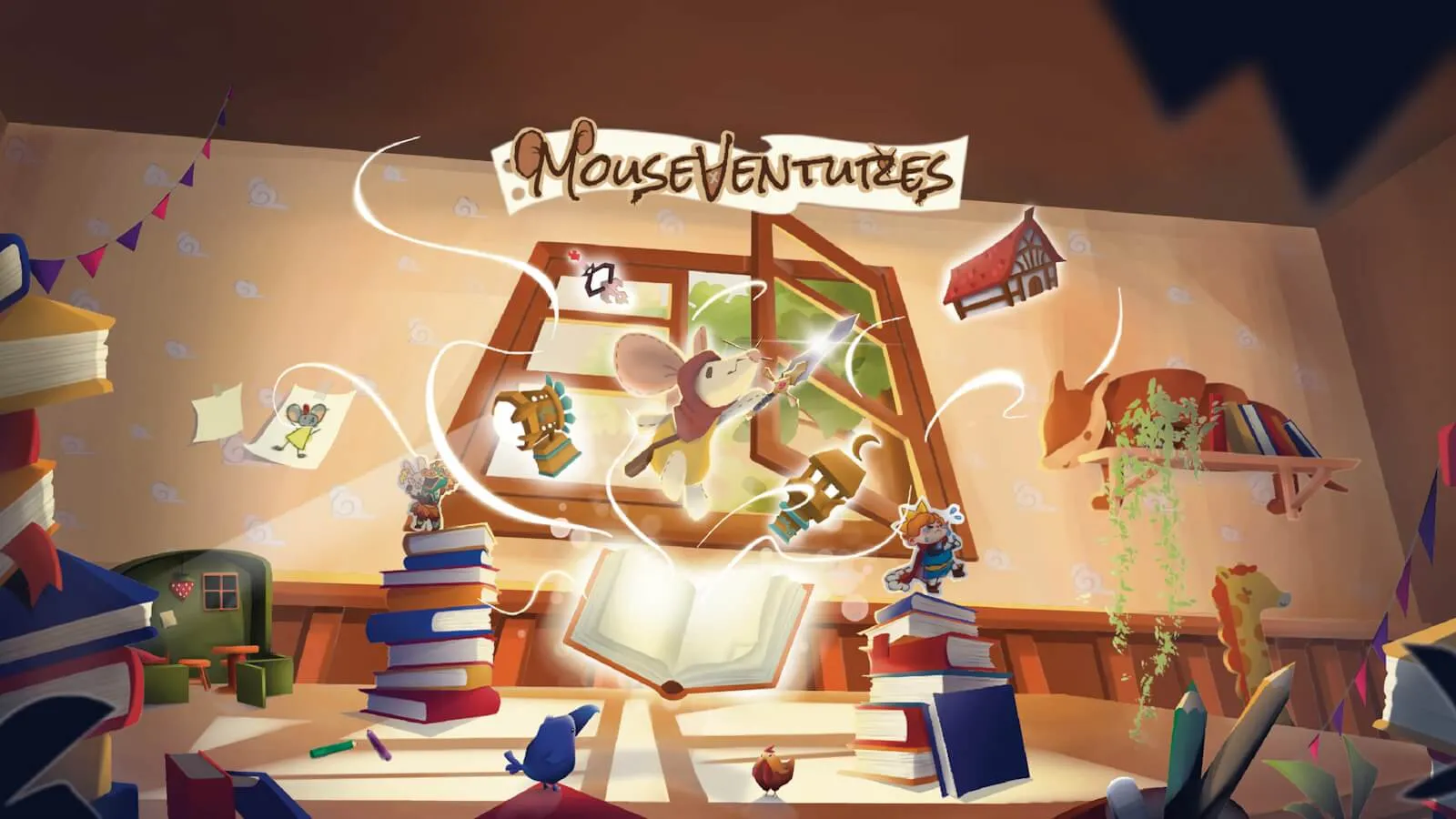
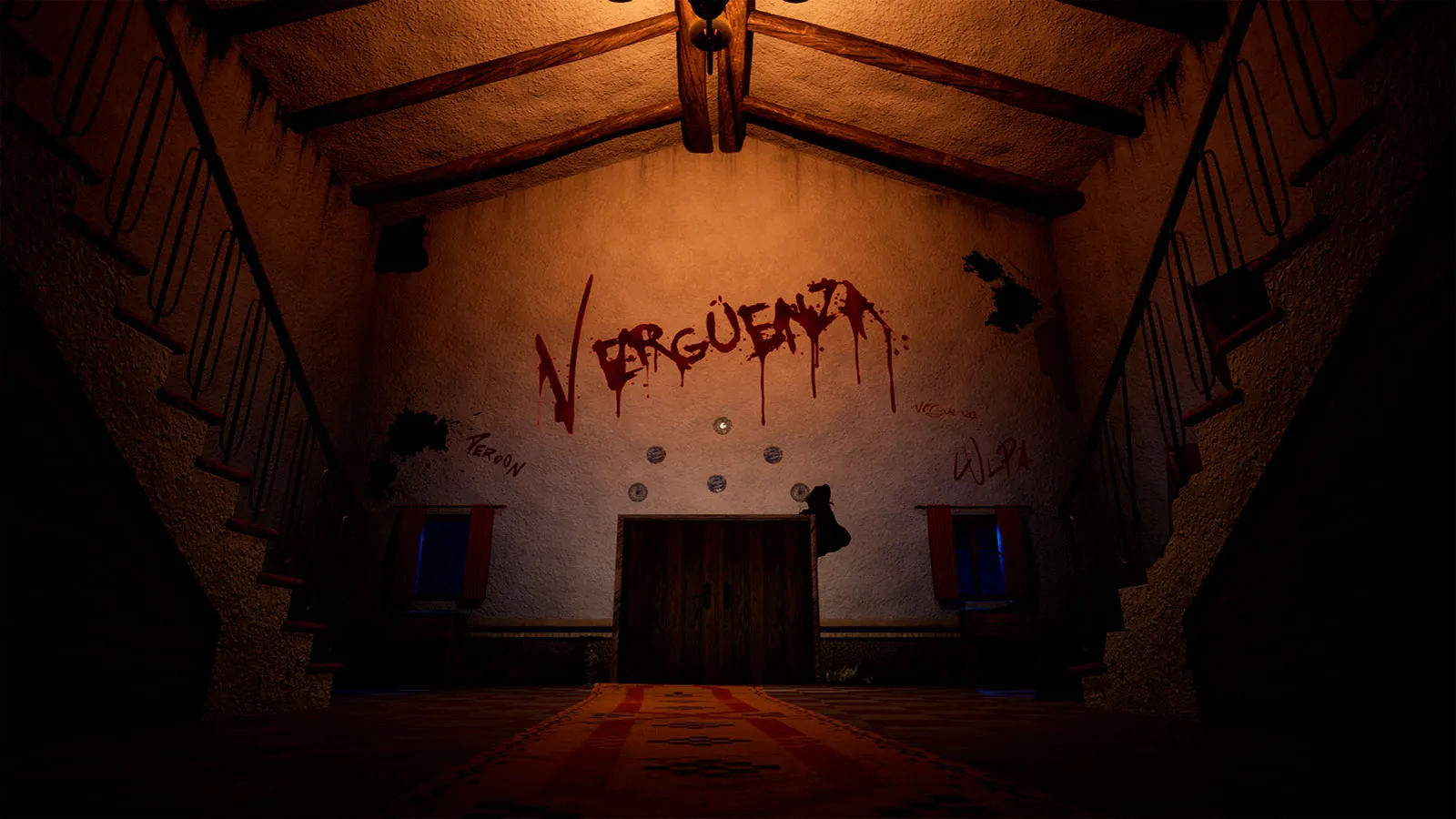
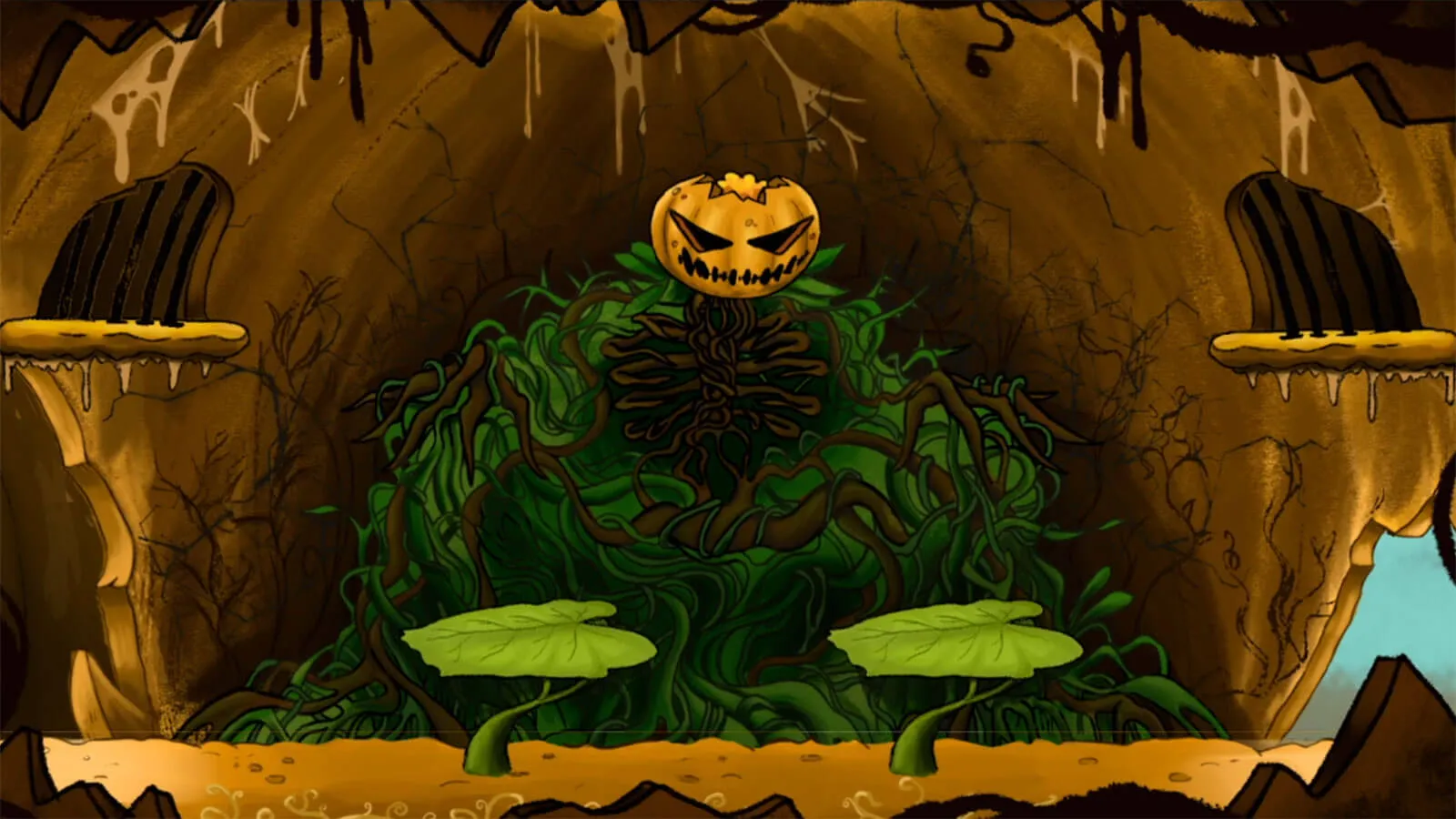
DigiPen Europe-Bilbao Games
The Most Common (and Human) Mistake
When so many games undergo the same process, patterns emerge. One, in particular, appears year after year:
“The most common mistake we identify is in teaching mechanics. It is essential that players understand what to do and how to do it, and the learning process properly guided is a critical part of game design.” — Daniel Andia
What feels obvious to the development team is rarely obvious to someone playing without context. Playtesting makes this gap visible.
For this reason, playtesting takes place at a specific moment: when core mechanics are defined and parts of the art and levels are complete, but with enough time around one month to implement meaningful improvements. It is not a final demo. It is a working tool.
Deciding What to Listen To
Collecting feedback is the easy part. Knowing what to do with it is not.
Industry feedback is not meant to please it is meant to align projects with real-world standards. Each team arrives prepared with key questions: Is the objective clear? How far do players progress? Where do they get stuck?
From there, decisions must be made under constraints. Not all feedback can be implemented. Not every problem can be solved in three weeks. And choosing incorrectly can break what already works.
Perhaps this is the most important lesson playtesting offers: in game development, players do not always have the solution but their problems are always real. Learning to distinguish between the two is what separates an enthusiast from a professional developer.
Try Them Yourself
Many of these games will soon be available on Steam. Be sure to add them to your wishlist via the DigiPen Europe-Bilbao page and experience the results firsthand.
DigiPen Europe-Bilbao Games