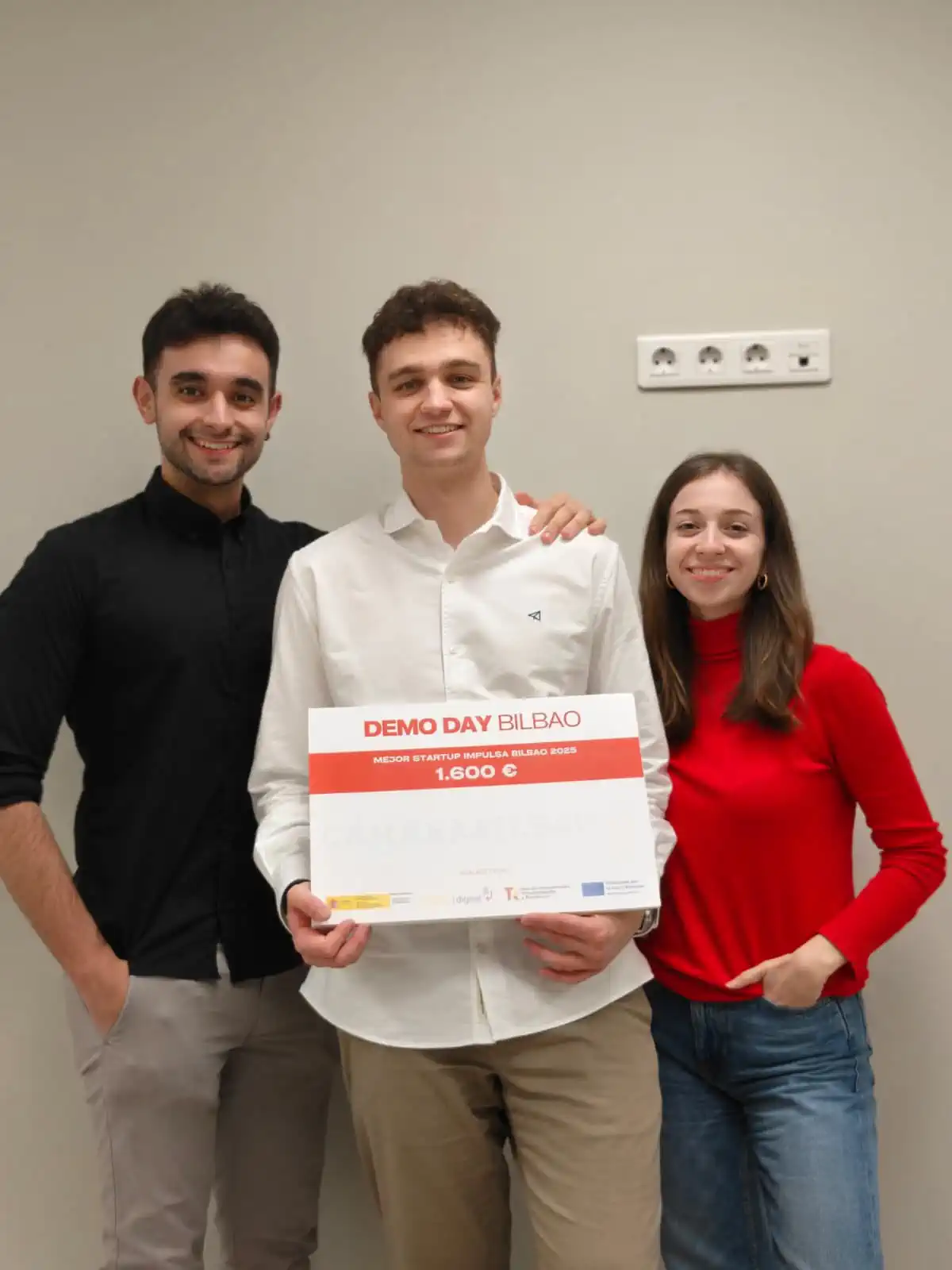
Graduates of the BS in Computer Science in Real-Time Interactive Simulation at DigiPen Europe-Bilbao have applied their skills in a range of sectors, including video games, technology, education, research, automotive, aeronautics, finance, and software-related applications in healthcare. Some alumni choose to explore entrepreneurial initiatives, applying the knowledge gained during their degree to projects where technical expertise, user-centered design, and problem-solving converge. This article highlights one such example.
DOCTOLINGO is a startup project developed by a RTIS graduate that explores new approaches to how medical students prepare for the MIR exam.
“We drew inspiration from Duolingo’s methodology. We wanted to create something students would already be familiar with. We believe in the philosophy that small efforts each day can make a difference over time.”
Turning a Real Educational Challenge into an Interactive Product
Preparing for the MIR requires consistency, daily practice, and strong clinical reasoning skills. Medical students and recent graduates often face fragmented daily routines, with long commutes and waiting times that are difficult to transform into productive study sessions. Despite the abundance of study materials, the alumni identified an opportunity to design a mobile learning tool focused on short, interactive sessions built around clinical reasoning.
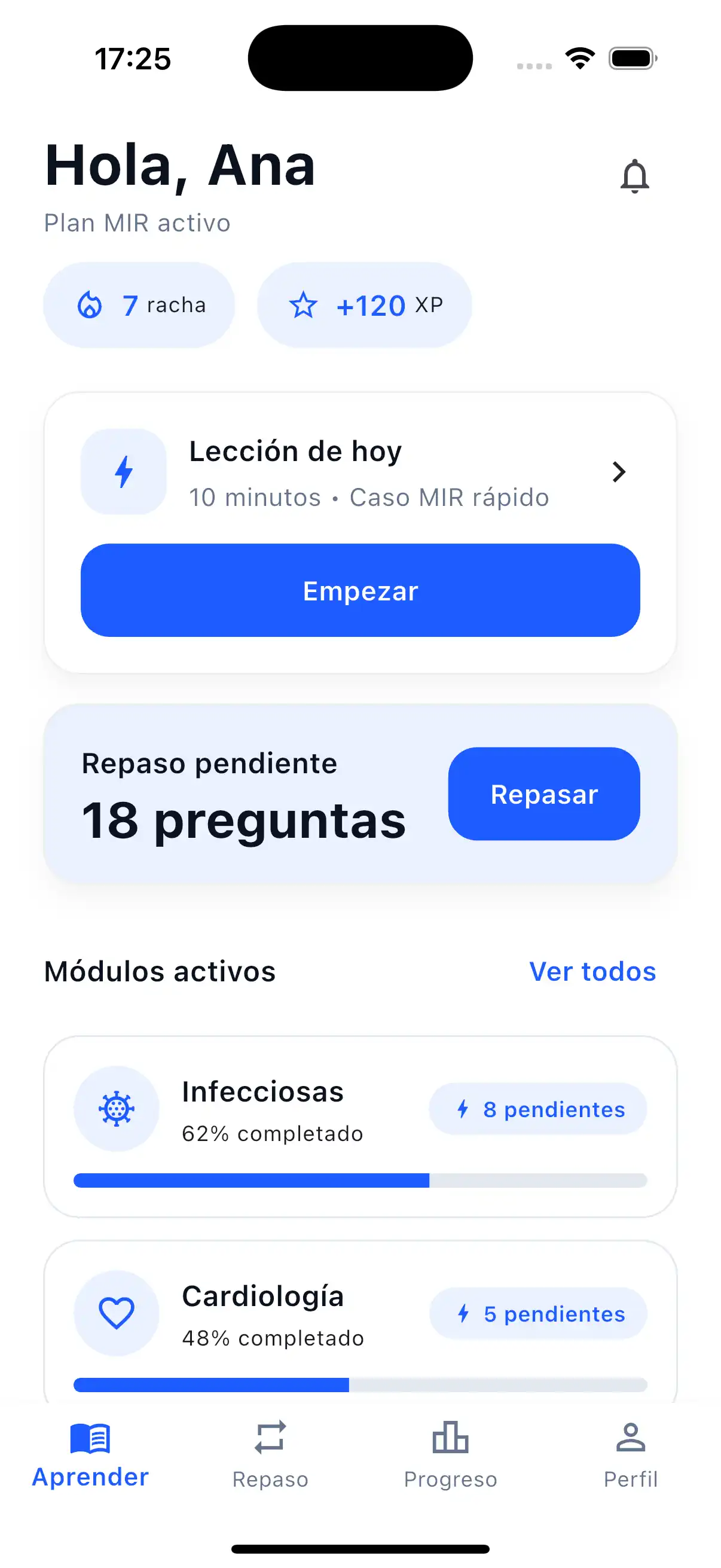
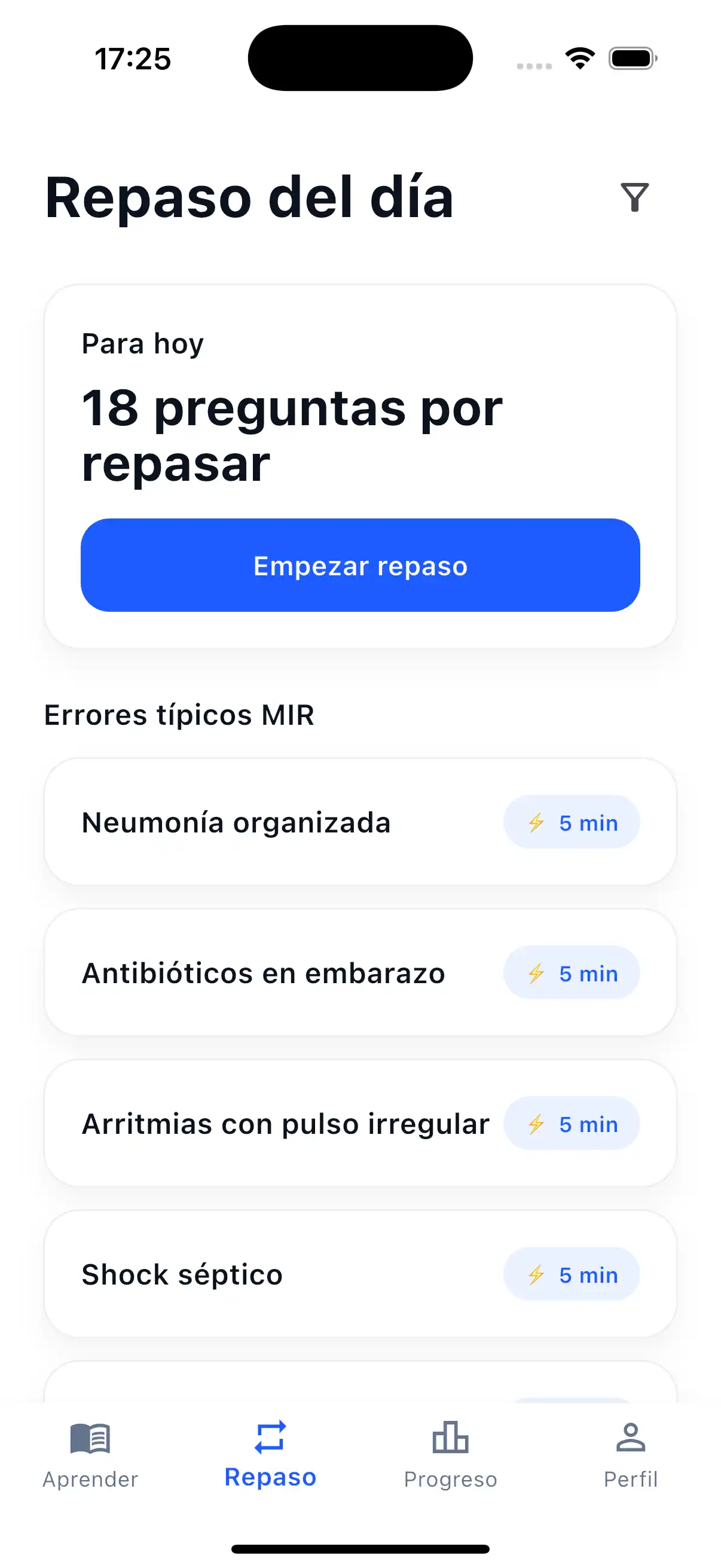
The app is designed to support review of core knowledge and MIR preparation through short, interactive learning sessions.
“The challenge is not the lack of material, but how to consume it. We saw the need for a tool capable of fitting into short gaps during the day and turning that time into structured study.”
DOCTOLINGO: Learning Through Real Cases and Gamification
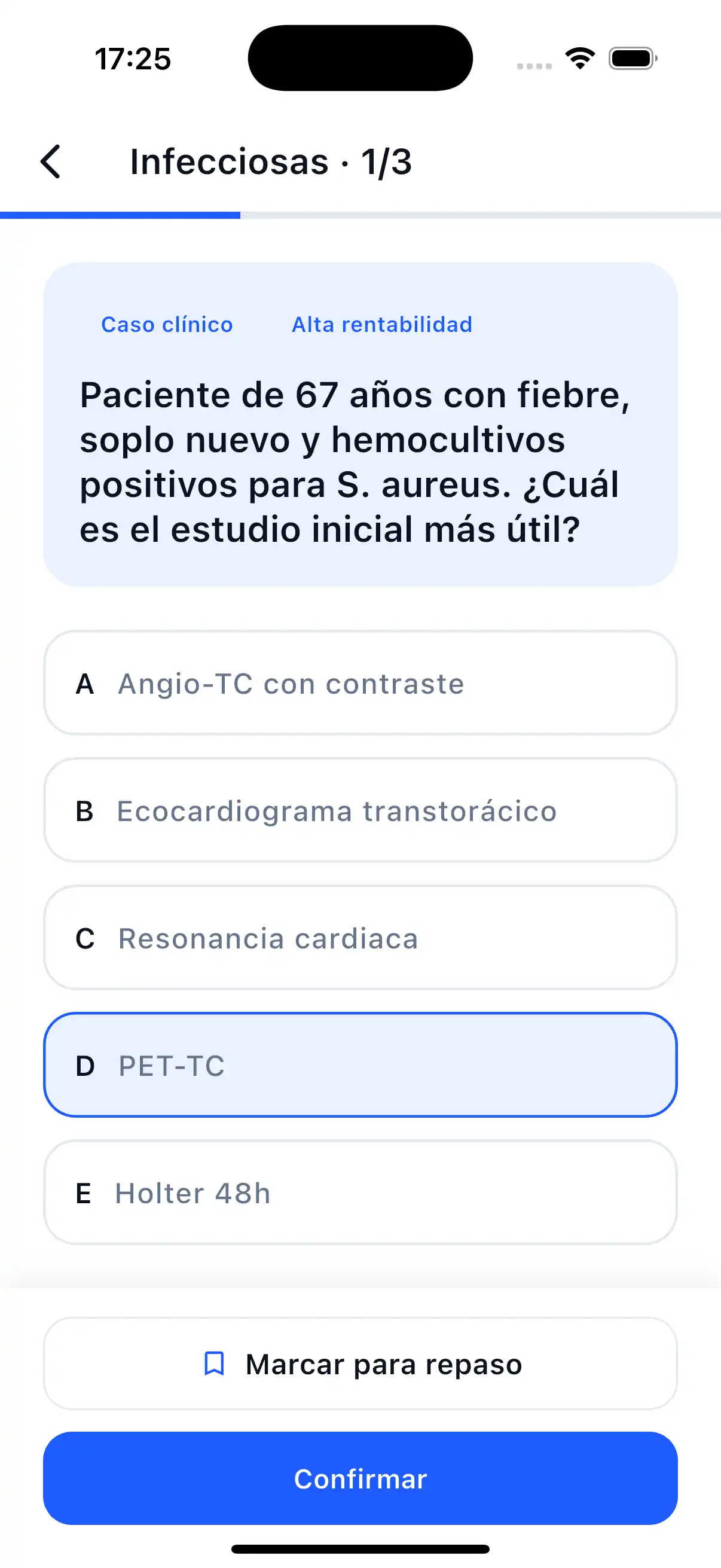
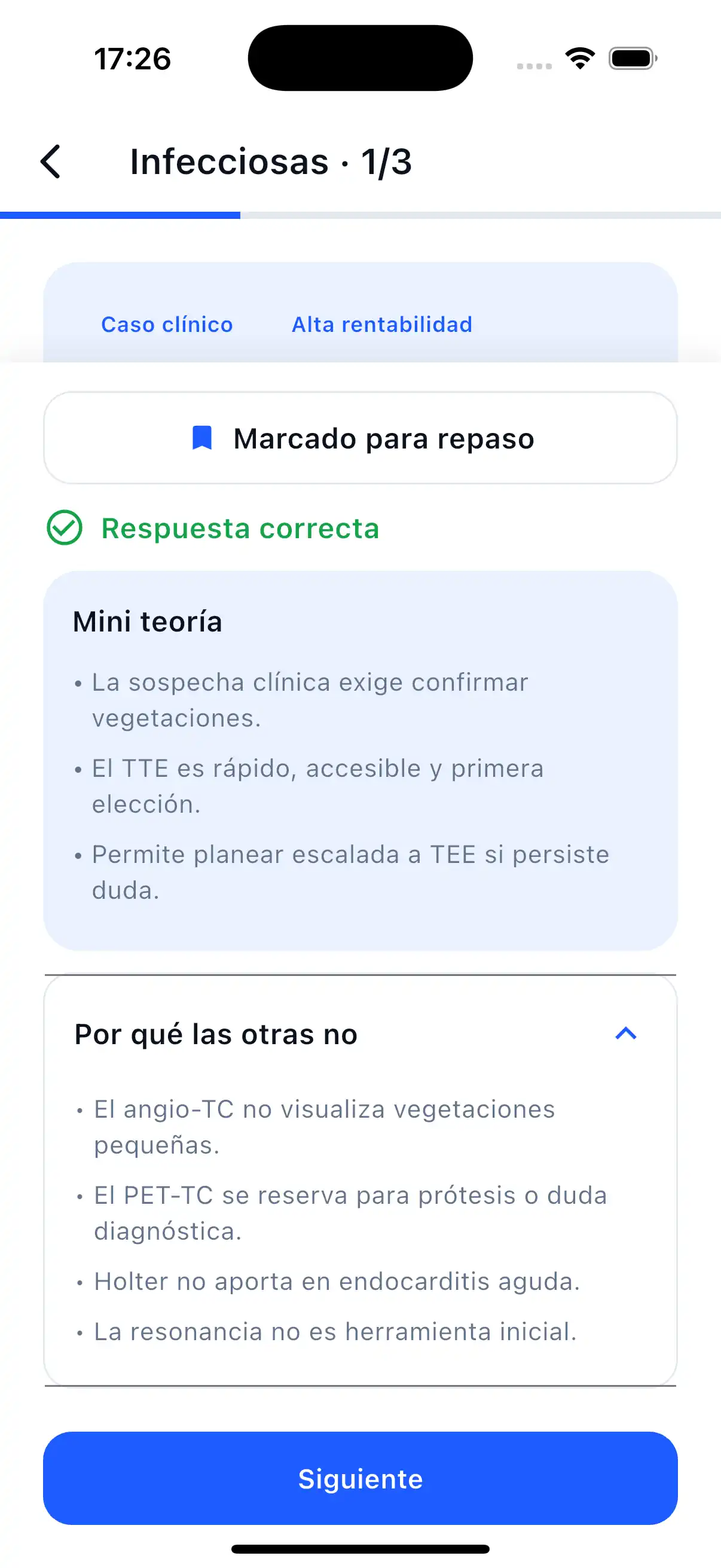
DOCTOLINGO is planned as a gamified learning app built around real clinical cases created by doctors and MIR residents. The platform is designed for microlearning, with sessions lasting between five and ten minutes, making it ideal for commutes or short breaks.
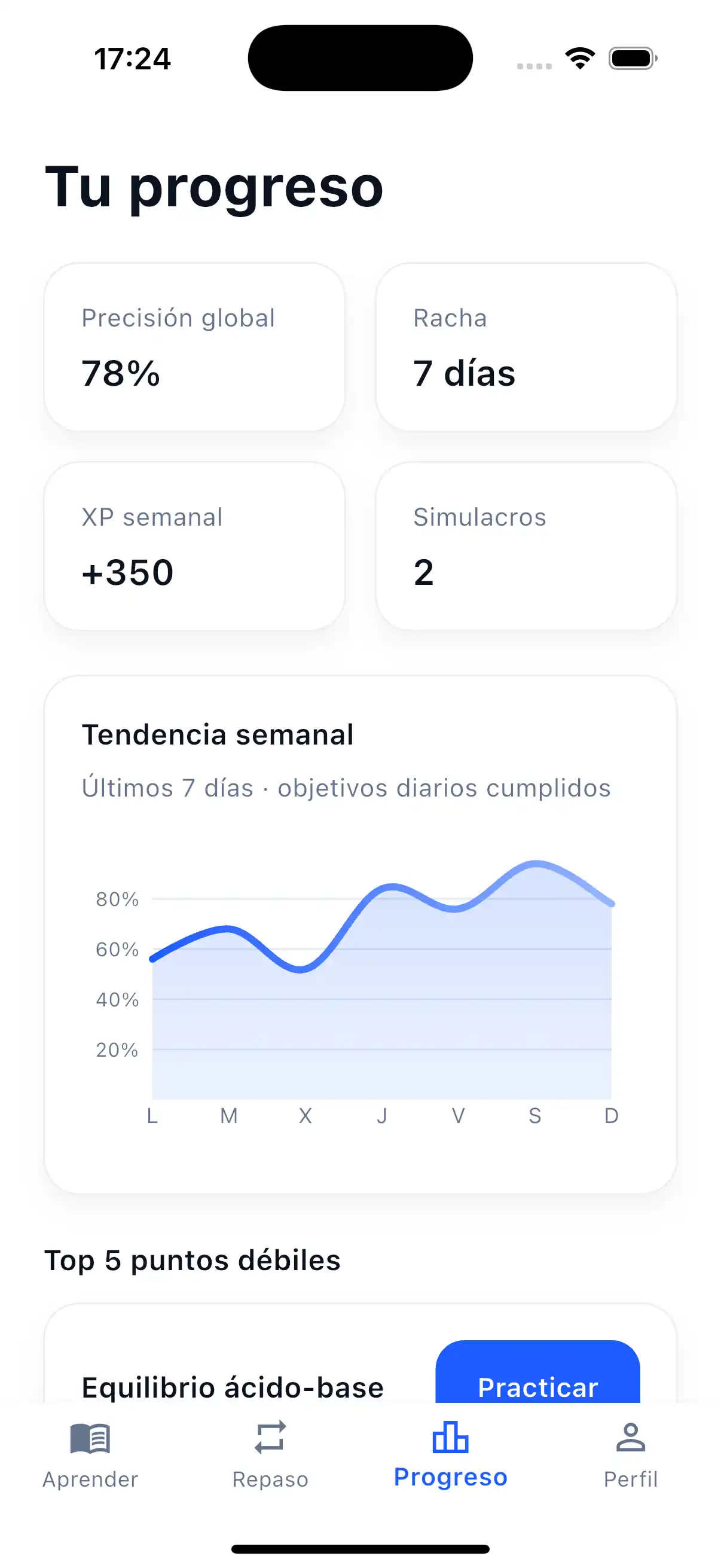
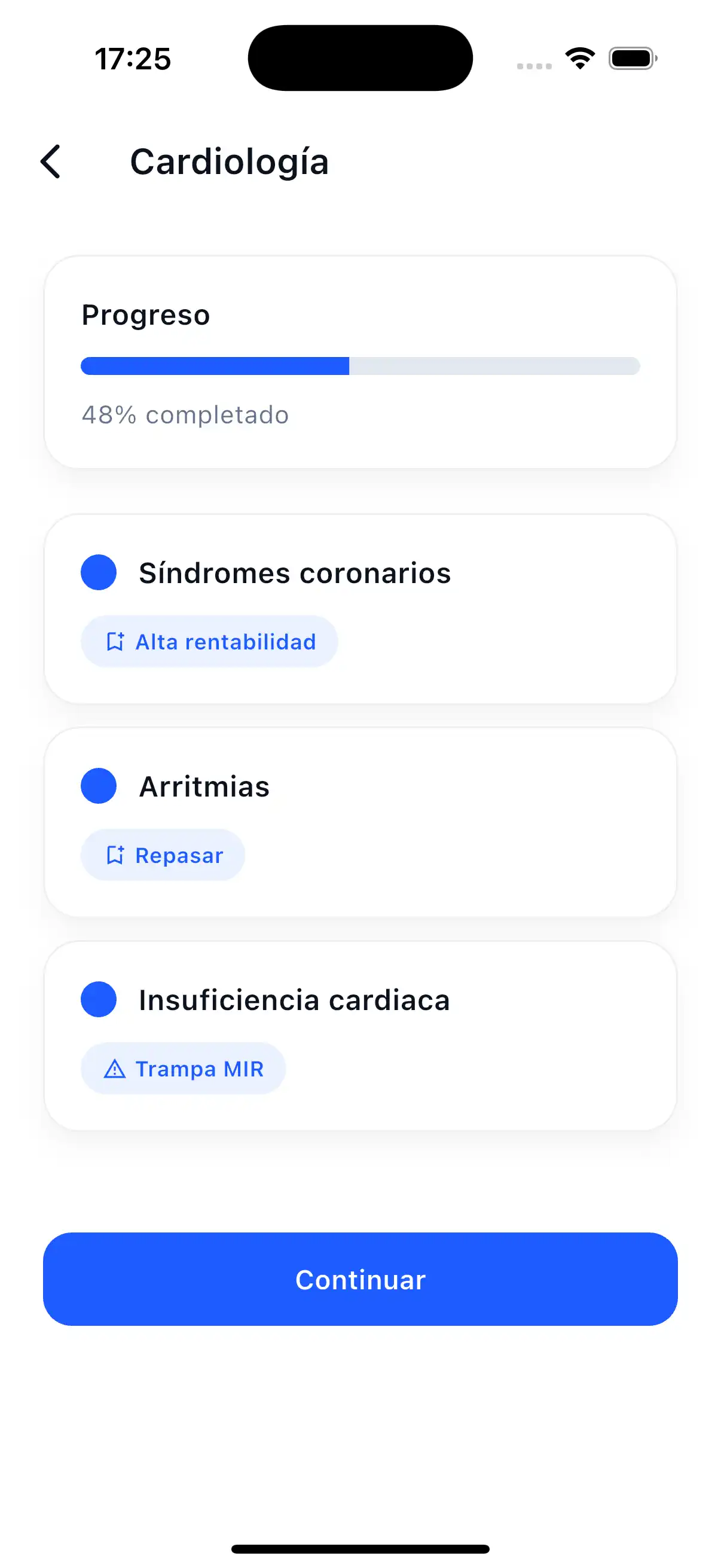
Gamification mechanics play a central role in the experience. Rewards, progression systems, and daily engagement mechanics encourage consistent use and help reinforce habit formation. These design decisions reflect interaction design and prototyping principles familiar to the alumni through their academic experience in real-time interactive systems. The project applies software design methodologies to the development of digital educational tools used in medical study contexts.
As any avid gamer knows, a well-designed routine can extend beyond the app itself, shaping long-term habits and deeper engagement. Chess is a clear example: improvement does not come only from playing, but from studying patterns, analyzing progress, and setting clear goals. In the same way, DOCTOLINGO encourages medical students to engage more actively with their learning process, turning short practice sessions into tangible progress and long-term knowledge retention.
According to the RTIS alumnus involved in the project:
“At DigiPen, you learn that code has to be robust, but the user experience must be flawless. We’ve applied that video game development mindset—where feedback needs to be immediate and rewarding—to something as serious as medicine.”
Prototyping like in Game classes, but now for Duolingo
Prototyping is a core principle taught early on at DigiPen. Have a project idea? Prototype it, test it, and learn quickly from both its strengths and its flaws. This hands-on approach allows students to iterate fast, validate assumptions, and improve through direct feedback—an essential mindset in game development classes and beyond.
That same philosophy is now being applied to DOCTOLINGO.
The SareLogic team has developed a functional MVP that demonstrates the app’s user experience and core features. The prototype currently uses a selected set of questions from previous MIR exams. In parallel, the team is reviewing authoritative medical sources, such as PubMed, to establish a rigorous and reliable content structure.
Early usability testing with volunteer medical students has provided preliminary feedback related to interaction design and usability.
This iterative development process—prototyping, testing, collecting feedback, and refining—closely mirrors the workflows students experience during RTIS projects, now applied in a real entrepreneurial context.
“The difference isn’t in the exam question, but in the reward. Seeing your accuracy rate improve or keeping your daily streak alive creates a level of engagement that paper will never achieve.”
Next Steps for DOCTOLINGO
The project’s roadmap focuses on structured validation and growth.
The immediate roadmap focuses on creating and curating an extensive question bank organized by specialties. This will allow students to tailor their sessions based on their level and the areas they need to strengthen. With this foundation in place, the team will launch a closed demo with volunteers to gather usage metrics and refine the user experience ahead of the official public release.
About SareLogic
The alumni behind DOCTOLINGO has also founded SareLogic, a technology company focused on custom software development. SareLogic designs and builds tailored digital solutions for businesses, including web and mobile applications, internal tools, system integrations, and AI-based solutions. The company works closely with clients to adapt technology to real workflows, applying the same user-centered and iterative approach that underpins DOCTOLINGO.